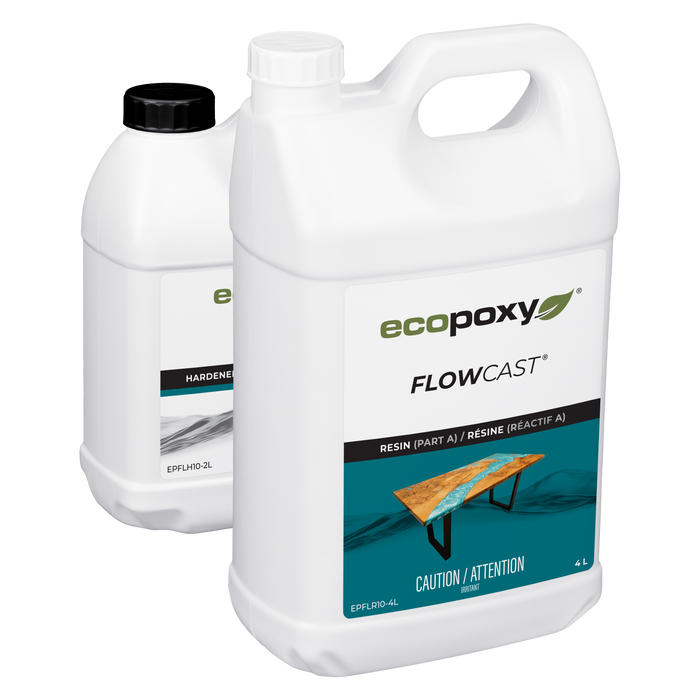
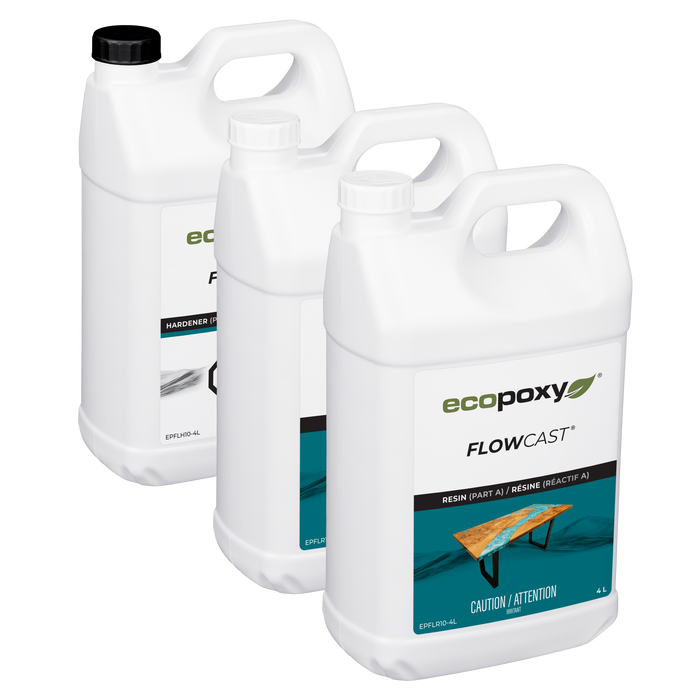
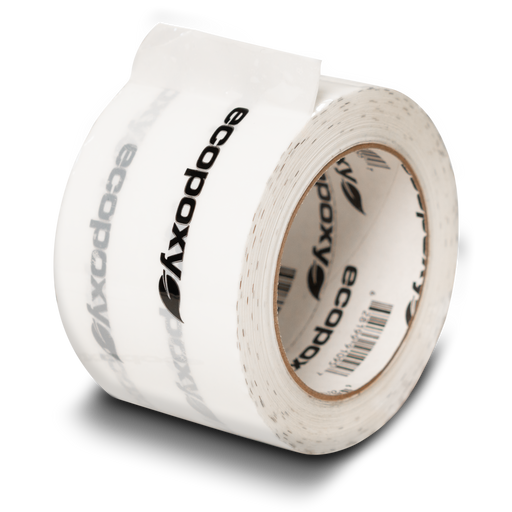
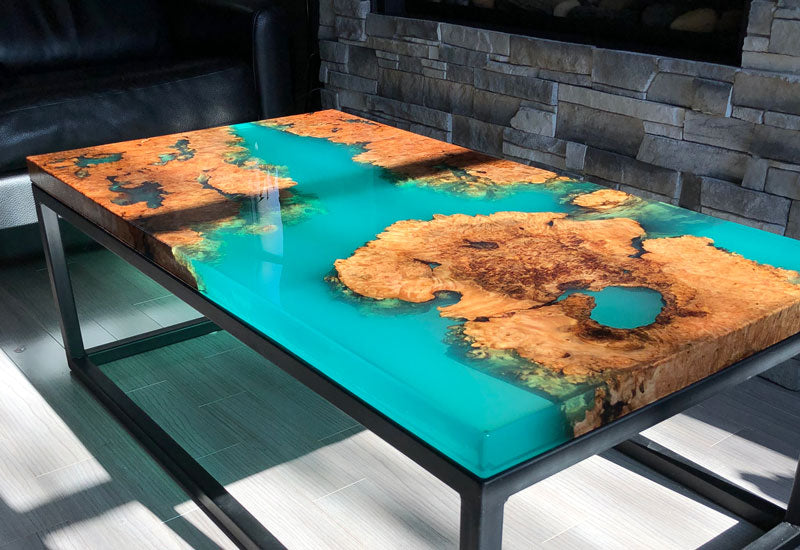
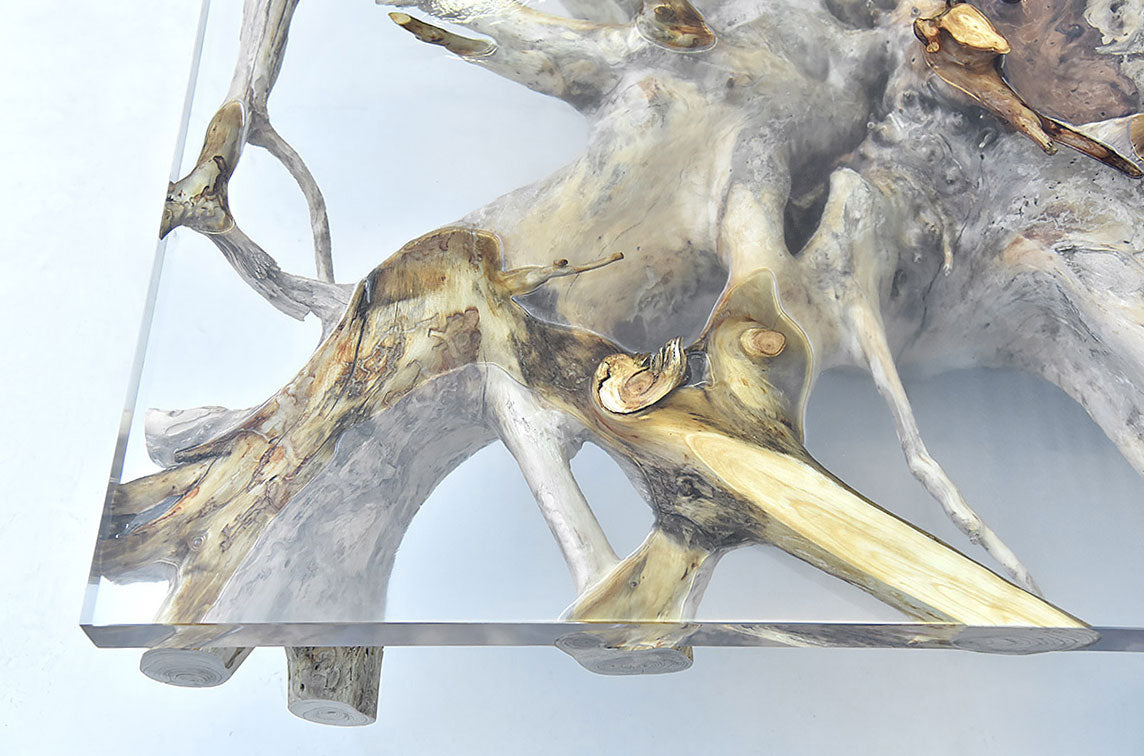
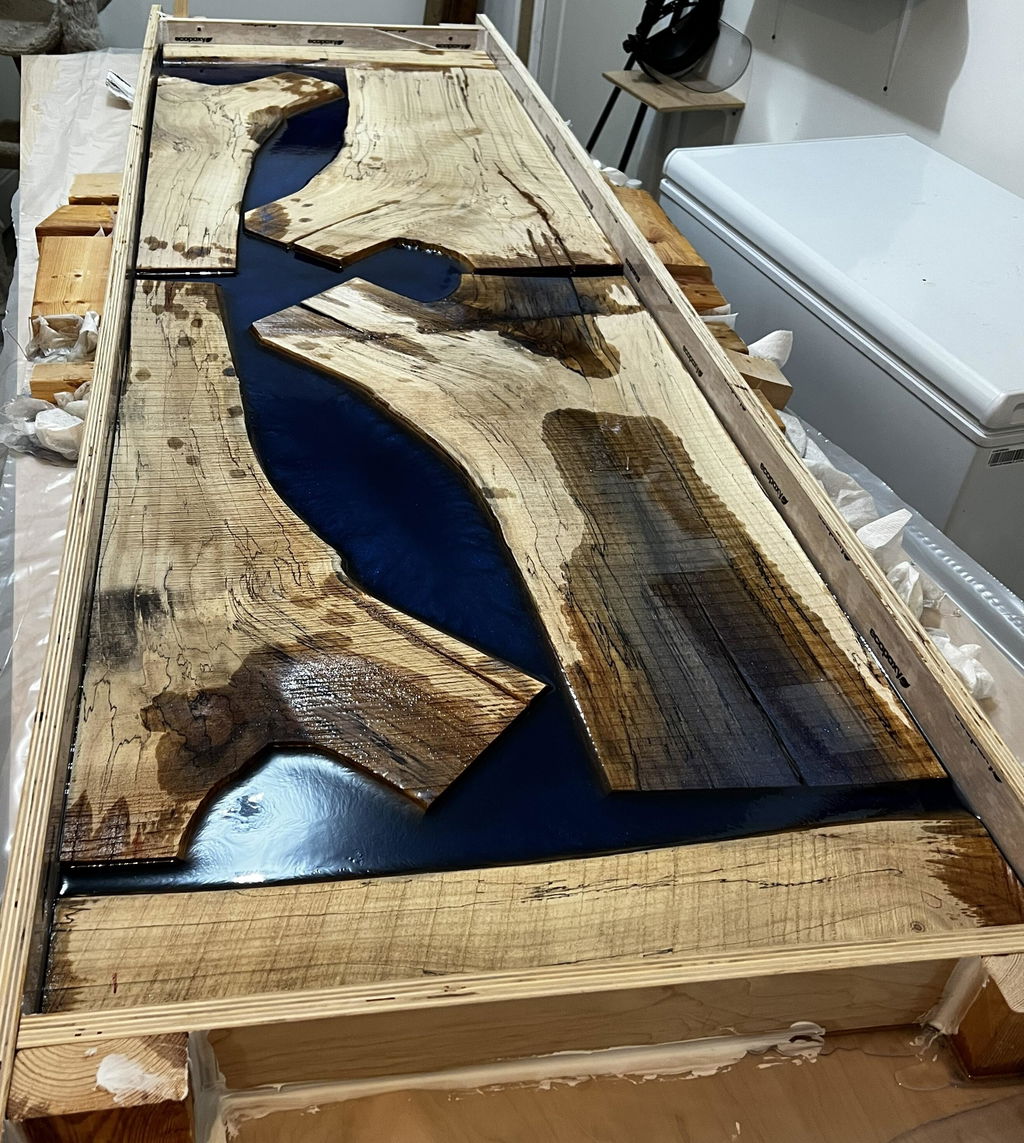
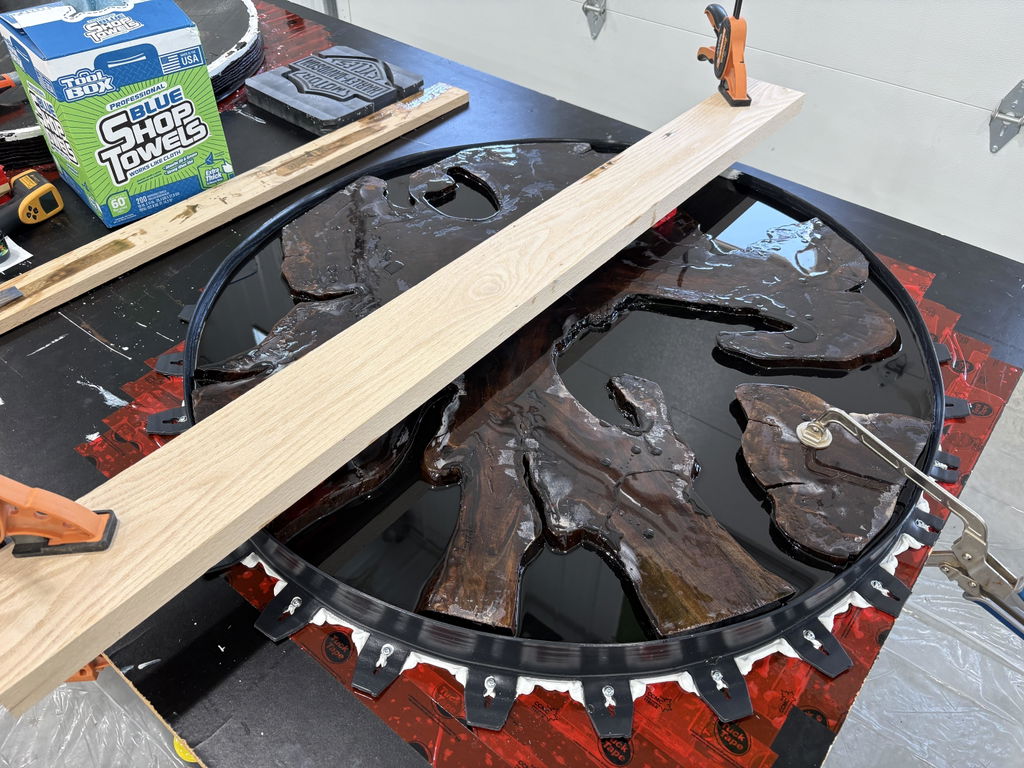
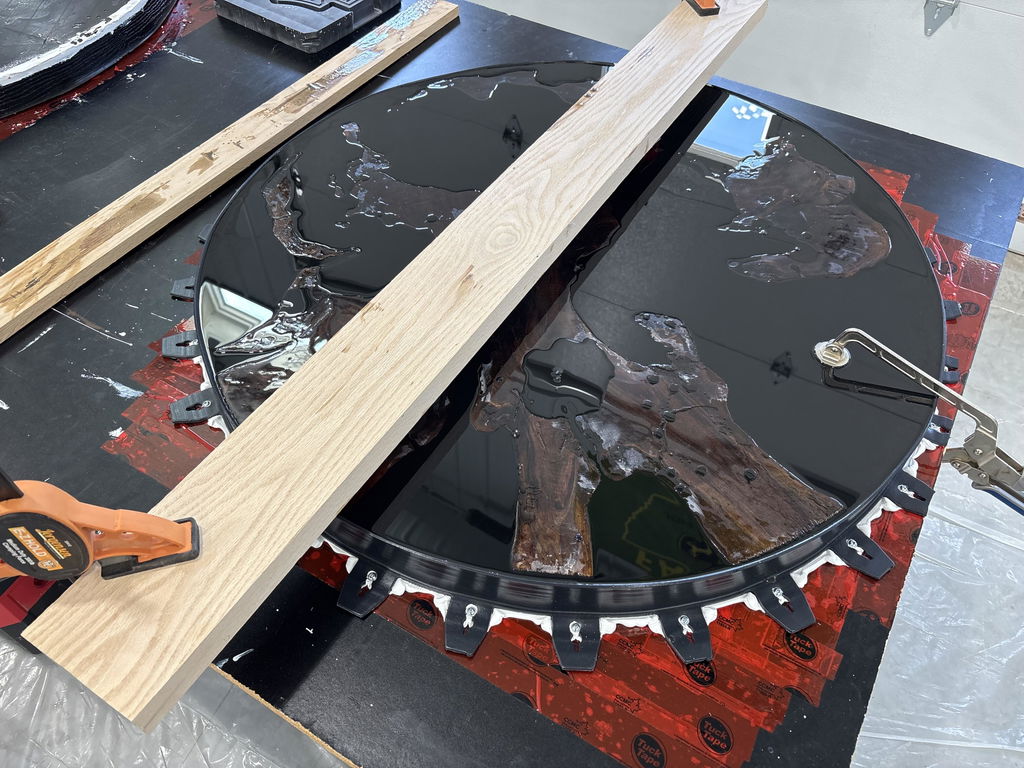
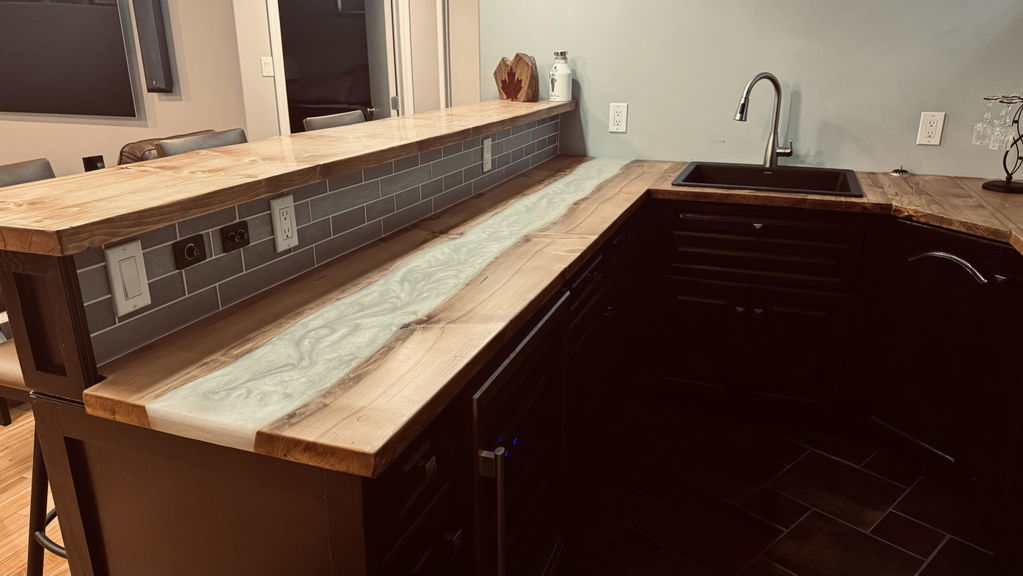
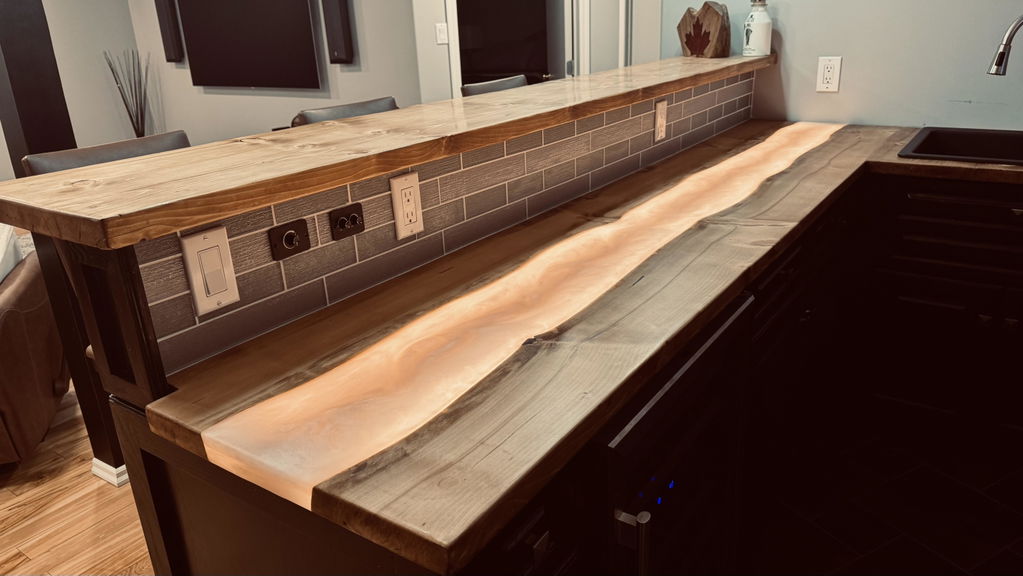
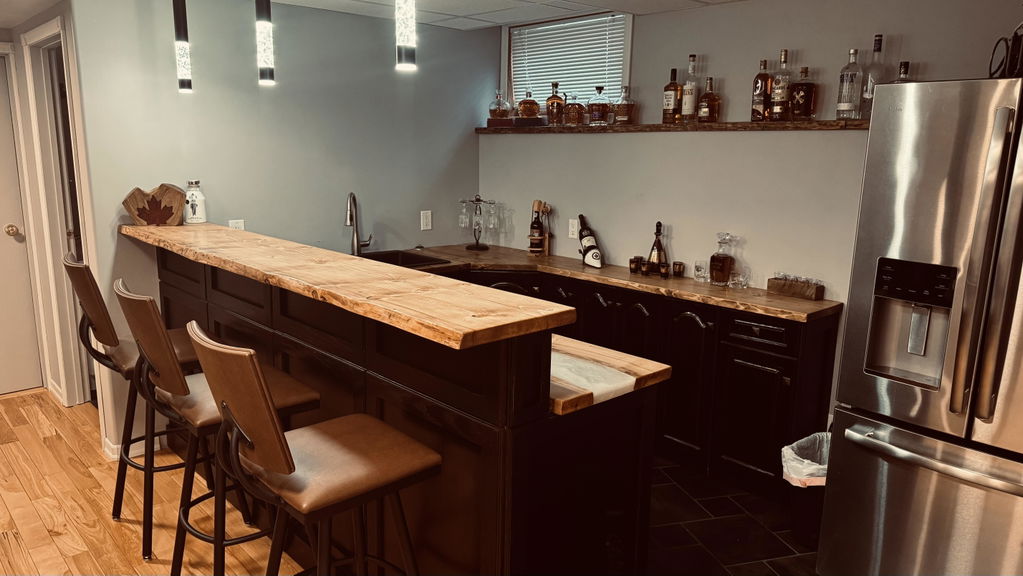
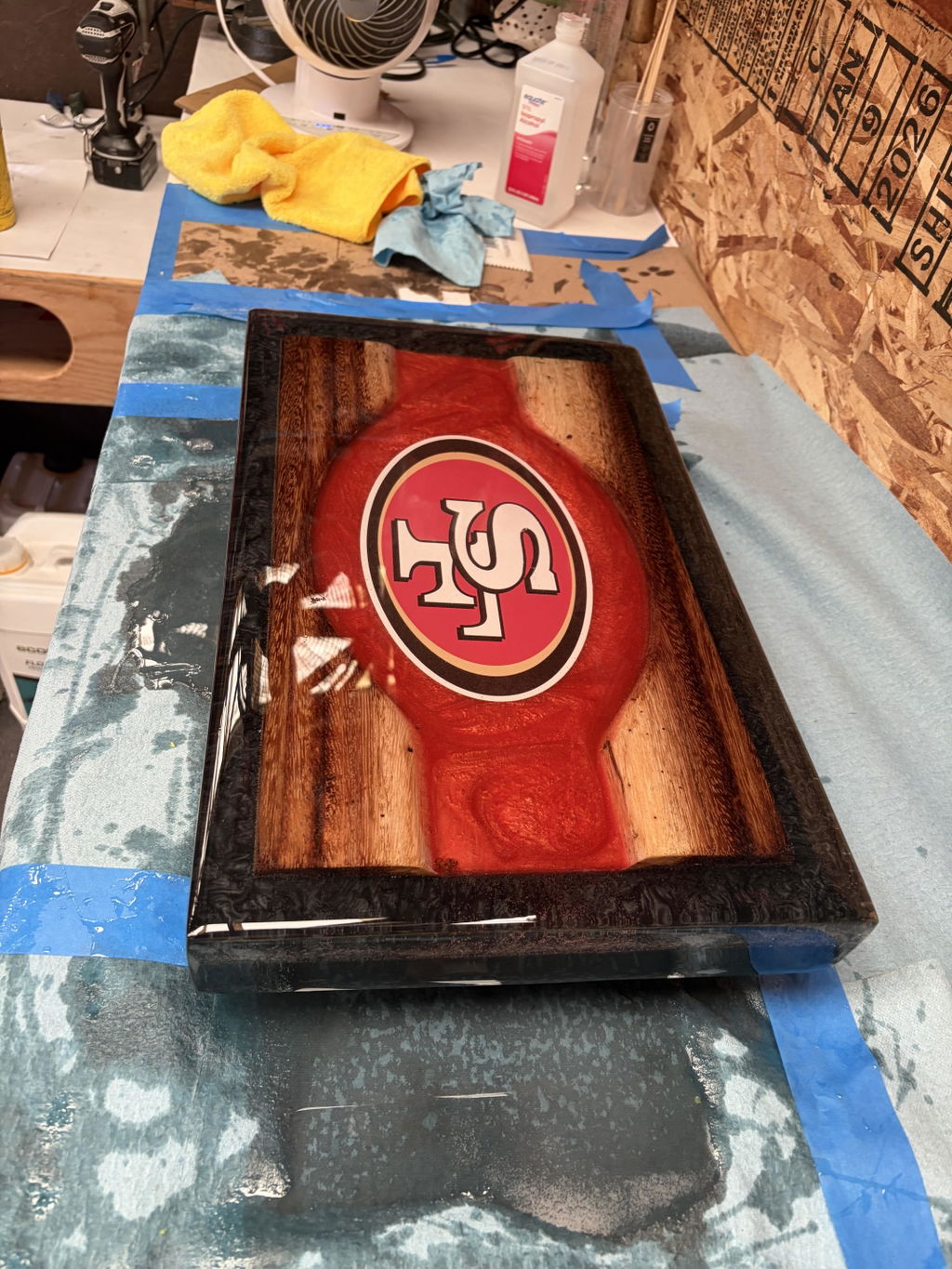
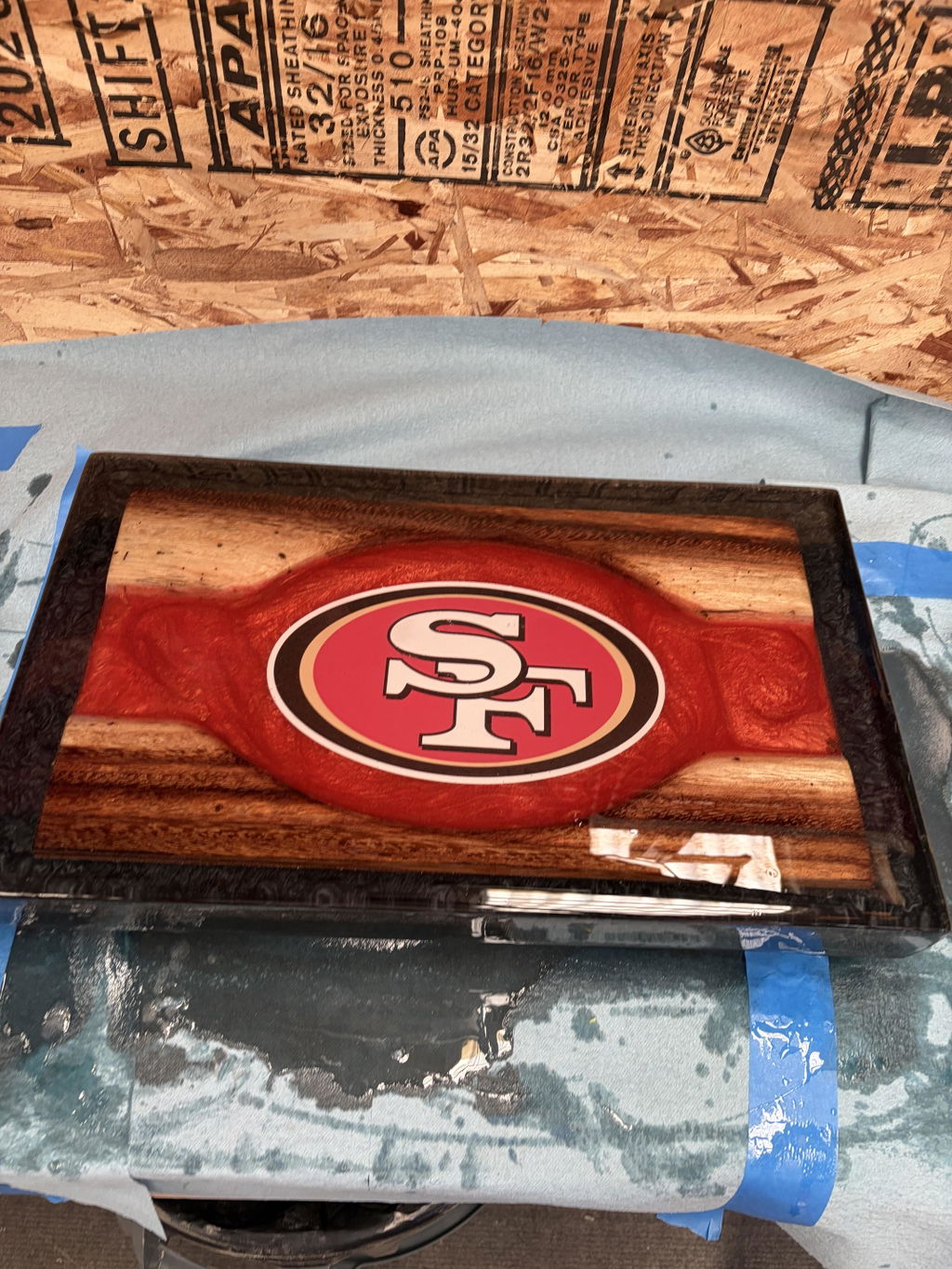
Once product itself is dry, it is very durable and brings out the very best detail in slab wood table tops for example. However, it is not as easy to work with as you might think. When mixed, it's much closer to the viscosity of water than syrup for example, which makes it flow thru and into any wood cracks better, but also puts any tape used to control its flow under more strain. Product comes in two bottles - epoxy and resin - and mixing them together is straight forward and low VOC. The preparation of the material you are using this product on (for example a table top slab), and the details of how the process is accomplished are the critical elements. As an example - if using product to seal a table top, you must ensure that you start with a THIN coating into any cracks in the wood AND let that dry thoroughly, before applying additional product layer, or layers. If you try and pour the cracks full with the first application or one application, especially if those cracks are thick and deep, the wood will just absorb too much product AND it will put pressure on any tape used on the bottom side of the table top slab for example, and likely will leak out around the underside crack(s) thru the tape (especially if its not the right tape). Using the right kind of tape on the bottom of the cracks before pouring is critical. I was told to use Tyvek house wrap tape initially - big mistake ! That product not only leaked out from under that tape, that tape was to thin and almost impossible to peal off when product was dry (it bonded with the product directly and took ages to chip off). I found that green frog tape, the kind used in painting, worked much better and detached from the dried product much better. Best advice can give - Watch LOTS of available videos on the web showing examples of applying this material, especial to your specific application, BEFORE you start working with this product on your own project !